

How Energy Efficiency Affects Your Home and Your Bills
Energy efficiency is about how well your home keeps heat in and cold out. It plays a major role in comfort, health and how much you pay to run your home.
Nuvoe’s Way
Improving Your Home’s Efficiency - a simple approach
Understand your property and the EPC rating
Understand where the heat is being lost
Check what schemes or funding apply
Apply through the correct route
Improve gradually as opportunities become available
What Energy Efficiency Actually Means in Practice
Energy efficiency is not about using less energy by being cold or uncomfortable.

It is about how well your home:

Holds onto heat once it’s been generated

Prevents cold air getting in

Uses energy to heat rooms and water efficiently
A more energy-efficient home needs less energy to stay warm, which usually means:
Lower bills
More consistent indoor temperatures
Less strain on heating systems
Better comfort and health outsideWhere Homes Typically Lose Heat
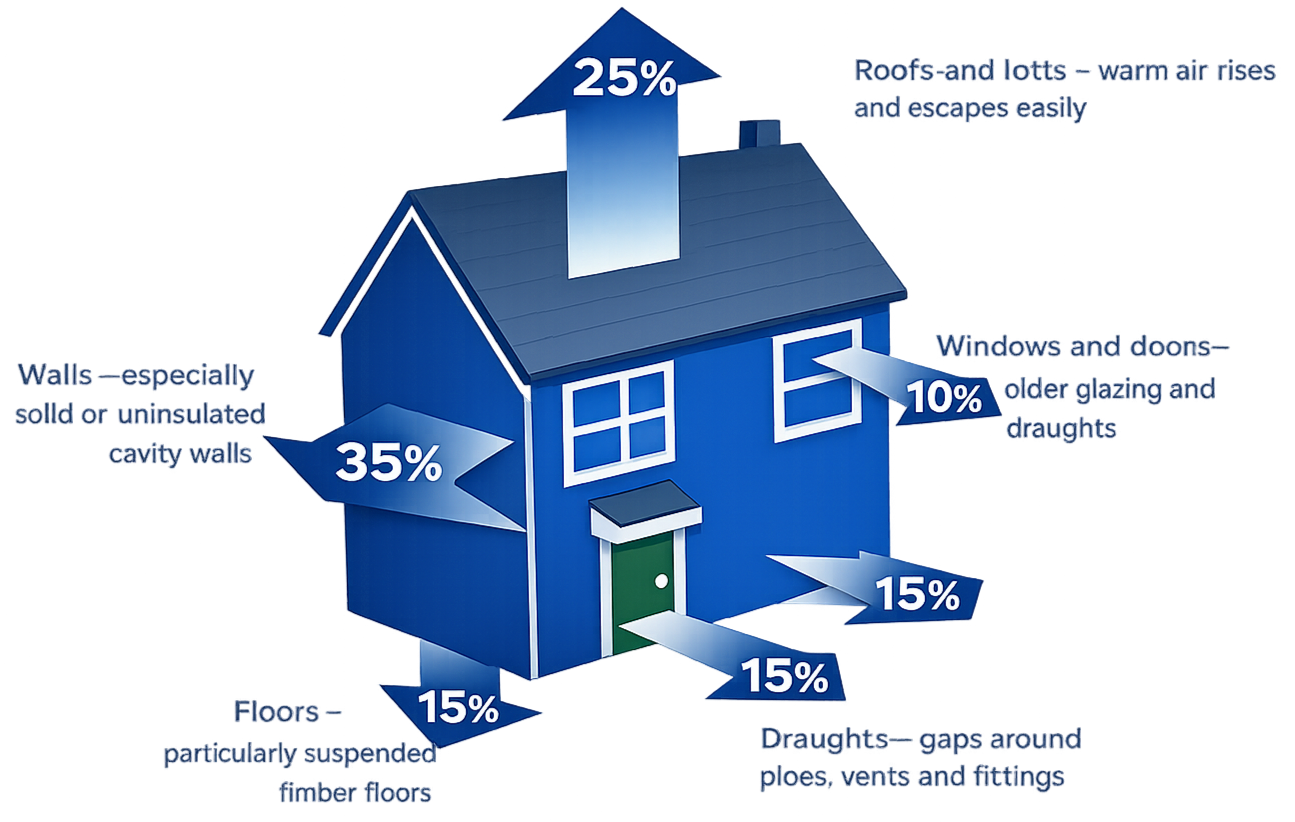
Insulation:The Foundation of Energy Efficiency
Insulation is usually the first step before upgrading heating systems. Insulation slows down heat loss and keeps warmth inside your home for longer. Loft or attic insulation
Cavity wall insulation
Solid wall insulation (internal or external)
Floor insulation
Common Insulation Types Include:
Many insulation measures are delivered through the ECO4 scheme, which requires energy suppliers to fund improvements in eligible homes. This scheme has been extended until December 2026.
Funding available

Monet Goode, Instructor
Reduces heat loss
Improves comfort
Can significantly lower energy use
Often improves EPC ratings
Well-Installed Insulation:
Heating Systems and Efficiency
Even a good heating system will struggle in a poorly insulated home.
Boiler or heat pump age and condition
Heating controls (timers, thermostat, zoning)
Radiator performance and balancing
Key Factors That Affect Efficiency Include:
Reduces long-term running costs
Run at lower temperatures
Deliver the same comfort using less energy
More Efficient Systems Can:
Energy Performance Certificate
An Energy Performance Certificate (EPC) shows how efficiently a home uses energy and how much it typically costs to heat and run. Homes are rated from A (most efficient) to G (least efficient).
An EPC matters because it is often used to:
Identify how hard a home is to heat
Highlight where energy is being lost
Determine eligibility for energy efficiency,
grants and schemes
Set legal standards for rented properties
EPC ratings are based on practical features of the home,
including:
Insulation levels
Heating and hot water systems
Windows and glazing
Overall energy performance
EPC Ratings Explained Simply
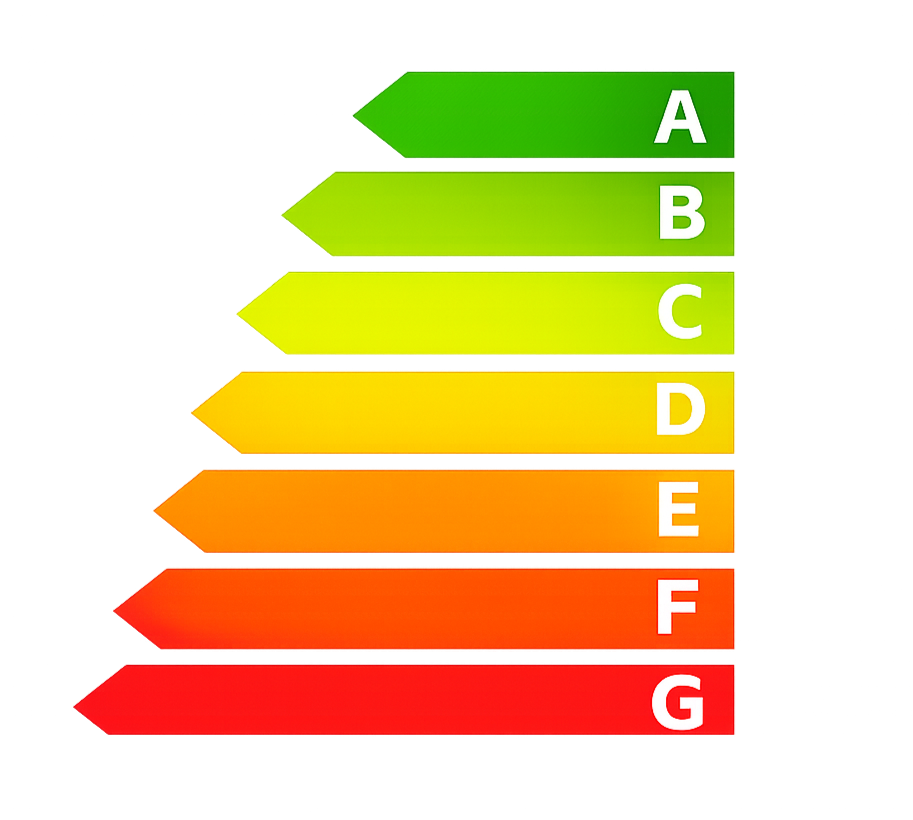
A lower EPC rating does not mean a home is “bad” or unliveable. It usually means there is clear potential to improve efficiency, comfort and running costs and in many cases, access support or funding.
EPCS are valid for 10 years and are required when a property is sold or rented.
You can check your home's EPC rating on the Government's energy performance certificate register (England and Wales)
Your EPC rating often determines what energy grants and home improvements you can access - explore available support based on your home.
Explore available support based on your home
Find Out MoreEnergy Efficiency and Support Schemes
-
Many UK support schemes focus on improving the efficiency of homes rather than providing direct bill payments. The UK government sets out national energy efficiency schemes, including insulation and heating support, through its official guidance.
These schemes exist because reducing heat loss and improving heating systems lowers long-term energy costs and reduces fuel poverty.
-
Energy efficiency schemes typically fund or part-fund:
Insulation improvements
(loft insulation, cavity wall insulation, and in some cases solid wall insulation)UK Government – Energy Efficiency Schemes
This is the official overview of national schemes including ECO, and links to claim or find installers:
Heating system improvements
(such as boiler upgrades, heating controls, or low-carbon heating where appropriate)Energy efficiency measures linked to health or vulnerability
(where cold or damp homes affect health outcomes)Local authority–led home improvement programmes
(targeted at inefficient housing stock within specific council areas)
These measures are provided as physical improvements to the home, not cash payments.
-
Eligibility for energy efficiency support is based on defined criteria, not discretion.
Most schemes assess eligibility using a combination of:
Property energy efficiency
EPC rating, usually prioritising homes rated D, E, F or GHousehold circumstances
Income level, means-tested benefits, or health vulnerabilityProperty type and construction
Age of the building, wall type, heating system, and insulation statusLocation
Local authority priorities and regional scheme funding
-
Energy efficiency support is rules-based
Funding is targeted at inefficient homes
Support is delivered through improvements, not bill credits
Availability varies by property and location, not guesswork
This is why EPC ratings and property details play such a central role in grant and scheme eligibility.