

Export Tariffs (SEG)
How households can be paid for exporting unused solar electricity
SMART EXPORT GUARANTEE (SEG)
The Smart Export Guarantee (SEG) allows households with solar panels to receive payments for electricity they export back to the grid.

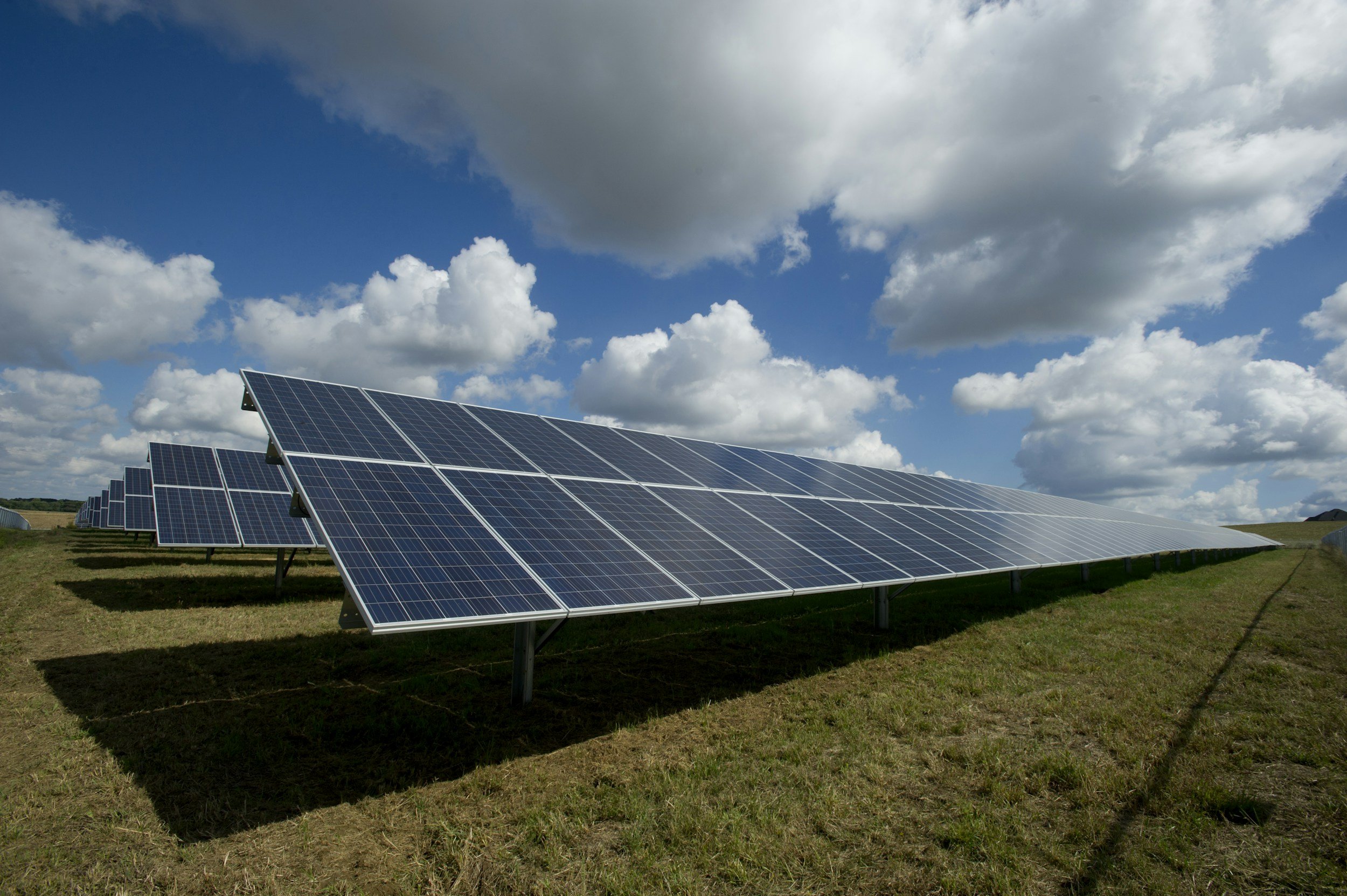
Under the SEG scheme, electricity suppliers must offer tariffs that pay households for this exported electricity.

However, it is important to understand that export payments are usually smaller than the value of using electricity directly in the home.
Export payments provide additional income for unused electricity.
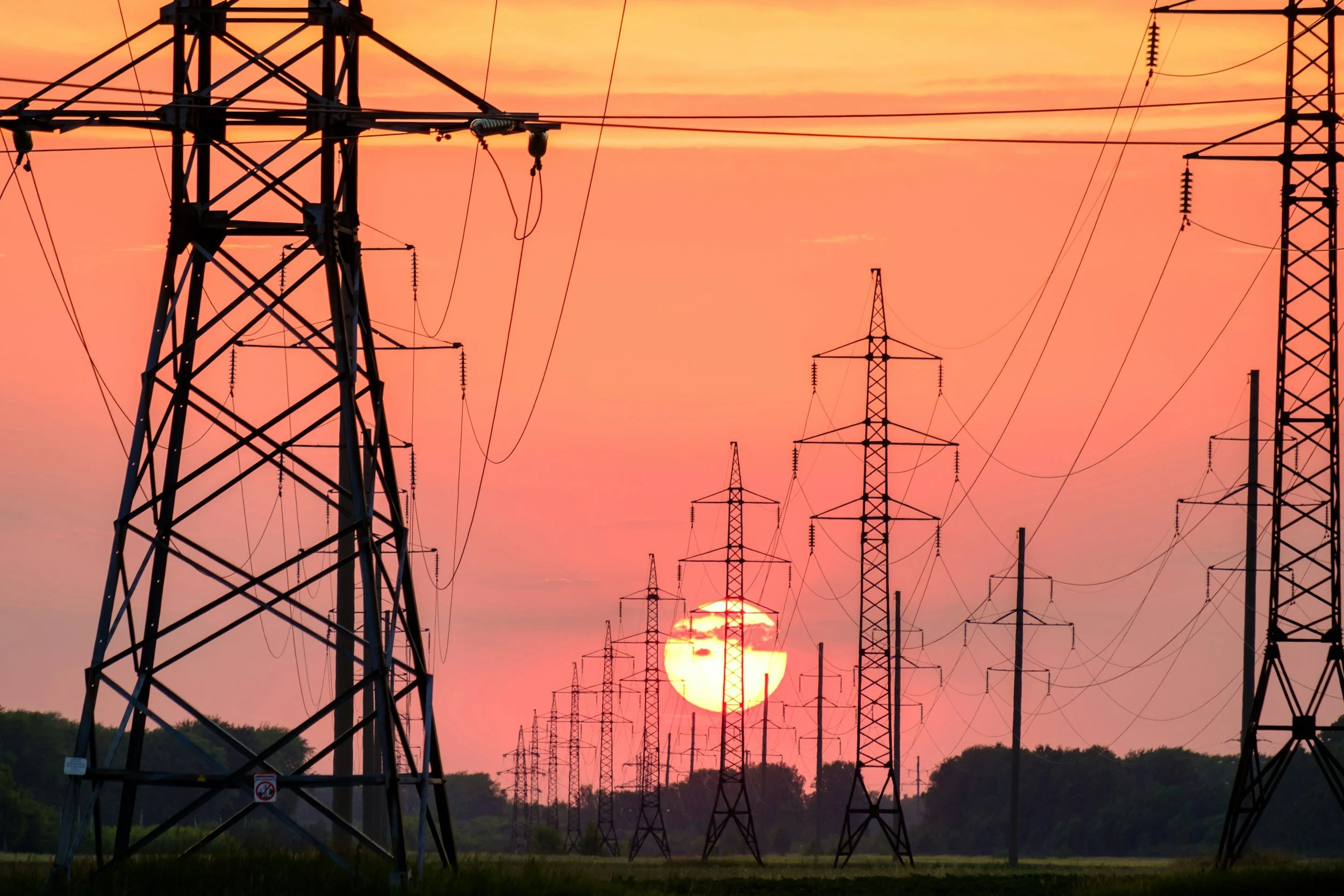
For many households, the main financial benefit of solar still comes from using the electricity generated, rather than exporting it.
What is SEG?
The Smart Export Guarantee (SEG) is a UK government-backed scheme that requires larger electricity suppliers to offer tariffs paying small-scale renewable generators for electricity exported to the grid.
The scheme replaced the previous Feed-in Tariff (FIT) programme, which closed to new applicants in 2019.
Under SEG:
electricity suppliers set their own export tariffs
payments are based on actual electricity exported
a smart meter or export meter is normally required
Official scheme overview:
https://www.ofgem.gov.uk/enviromental-and-social-schemes/smart-export-guarantee-seg
How export payments are calculated
Export payments are based on the amount of electricity your system exports to the grid.
Electricity that is used in the home is not exported and therefore does not receive SEG payments.
For example:
If a solar system generates electricity during the day and the household uses half of it immediately, only the remaining unused electricity is exported and paid under SEG.
Export amounts are usually measured using:
• a smart meter capable of measuring export
• or an approved export meter installed with the system
Payments are normally made:
• quarterly
• or as bill credit with the electricity supplier
Visual
Example flow
10 kWh generated
6 kWh used in home
4 kWh exported → SEG payment
How much SEG pays
SEG rates vary between suppliers because each supplier sets its own tariff.
Typical rates currently offered in the UK often fall between:
3p and 15p per kWh exported
However, some specialist tariffs linked to smart tariffs or time-of-use plans can offer higher export rates in certain circumstances.
Examples of SEG tariffs offered by UK suppliers include:
Octopus Energy – Smart Export Guarantee
https://octopus.energy/outgoing/
E.ON Next – Export tariff information
https://www.eonnext.com/export-and-metering/export
British Gas – Export tariff information
https://www.britishgas.co.uk/energy/export-tariff.html
EDF Energy – Export tariff
https://www.edfenergy.com/for-home/export-tariff
Tariffs and eligibility requirements change regularly, so households should check current rates with suppliers.
Visual Export tariff comparison bar
Low tariff → moderate → higher smart tariff
Caption
SEG rates vary depending on supplier and tariff structure.
ICON for each supplier - *
Factors that influence SEG payments
The amount a household receives through SEG depends on several factors.
These include:
1 System size
Larger systems generate more electricity and may export more surplus energy.
2 Household electricity use
Homes that use most of their solar electricity during the day will export less energy.
3 Export tariff rate
Different suppliers offer different payment rates.
4 Battery storage
Solar batteries allow electricity to be stored and used later, which may reduce exports but increase household savings.
Visual
Four icon layout
Solar panels
House usage
Supplier tariff
Battery storage
Applying for an export tariff
To receive SEG payments, households must apply directly with an electricity supplier offering an export tariff.
Requirements normally include:
• a certified solar installation (MCS certified installer)
• a compatible smart meter
• proof of system installation
• system capacity under 5 MW (standard domestic systems qualify)
Applications are typically completed online through the supplier’s website.
Official MCS certification body: https://mcscertified.com
Visual
Step diagram
Install solar → Register with supplier → Export electricity → Receive payments
OFFICIAL SOURCES
Households wanting to explore the scheme further can read the official guidance from Ofgem.
Smart Export Guarantee overview:
https://www.ofgem.gov.uk/environmental-and-social-schemes/smart-export-guarantee-seg
Energy Saving Trust solar guidance:
When a solar system generates more electricity than the home uses, the surplus energy can be exported to the electricity network